BRAIDS THROUGH THE GENERATIONS: A CULTURAL STAPLE THEN AND NOW
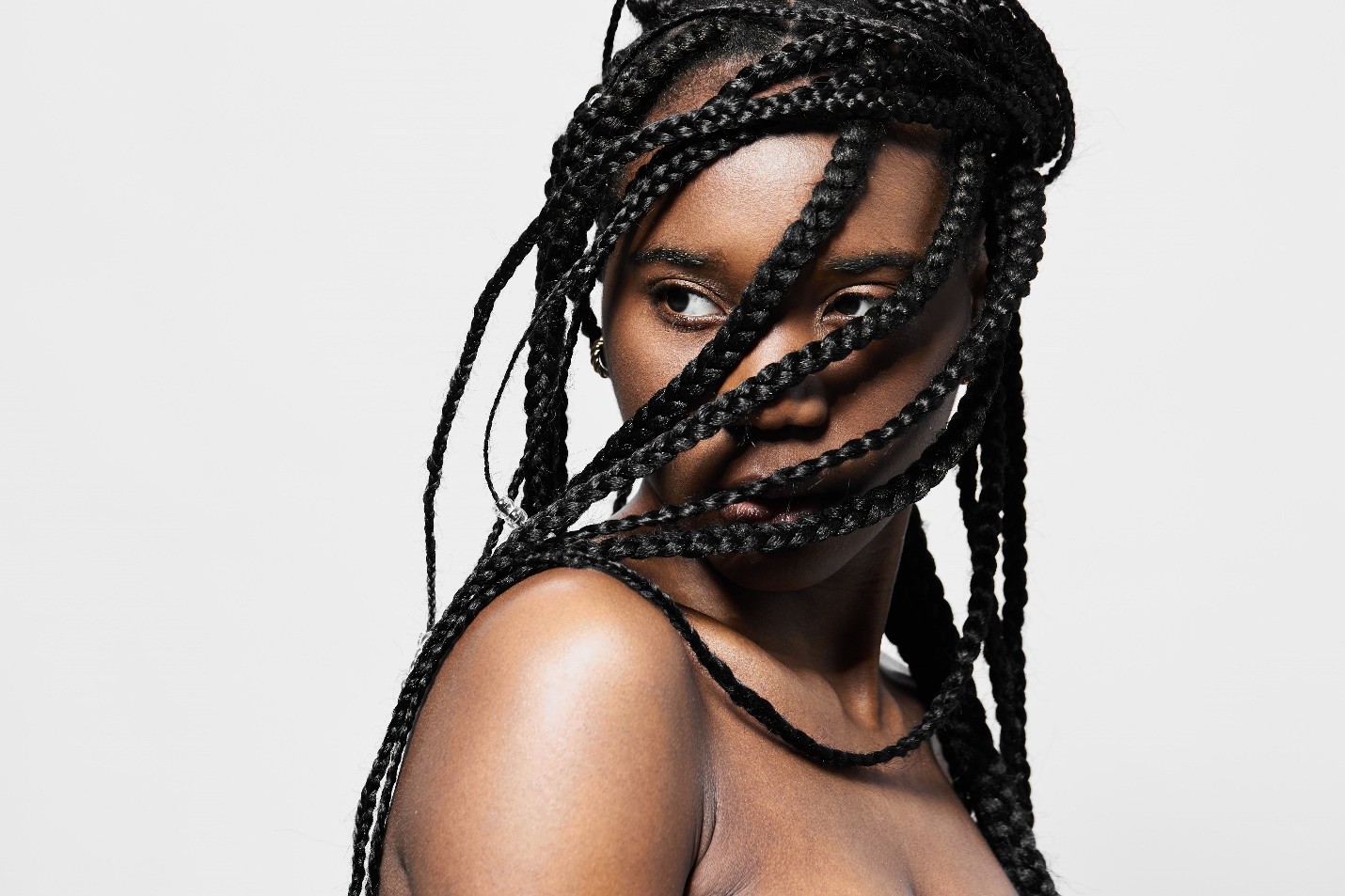
Braids are more than a hairstyle, they are a living tradition and a visual language passed down through generations. From elders to children, warriors to royalty, braids have told stories of identity, belonging, and resilience.
Their history is one of constant evolution, shaped by changing trends, technologies, and shifting definitions of beauty. Yet even in their most modern interpretations, braids hold the weight of heritage and the freedom of personal expression. They remain one of the most enduring, powerful forms in global hair culture.
Braids as a Cultural Legacy
The history of braids and braiding can be traced back over 5,000 years, with the earliest documented origins in Africa around 3500 BC. Among the Himba people of Namibia, braids were more than functional; they signified age, tribe, marital status, wealth, and spirituality. These traditional braid styles were often elaborate, requiring hours of skilled work, and in that time, social bonds were strengthened. Elders would braid the hair of the young, not just passing on technique, but heritage.
This social aspect of braiding created an intergenerational bridge that survives to this day. From mother to daughter, stylist to client, the act of braiding continues to be intimate and ceremonial. In ancient Egypt, Afro box braids served not only as adornment but also as protection in harsh climates. In Greek and Native American cultures, braids took on meanings connected to wisdom, warrior status, and a deep relationship with nature. Each region adapted braid styles according to local customs, weather conditions, and available tools, but the thread of cultural pride ran through them all.
Traditional Braid Styles That Shaped Generations
Some braid styles have persisted across centuries, not only for their aesthetic appeal but for their versatility and practicality. Cornrows, for instance, have remained a cornerstone of African and diasporic hair traditions. These tight, scalp-hugging braids could be styled in intricate patterns and lasted for weeks, perfect for people with active lifestyles and textured hair. Cornrows also served as maps and escape symbols during slavery, with certain patterns said to indicate routes to freedom.
French braids, although originating from different sources, have become universally beloved. Their sleek, woven look adapts well to both casual and formal settings. Dutch braids and fishtail braids, with their reverse and cross-laced techniques, offered volume and visual complexity without needing heat tools or added extensions. These styles, rooted in the long history of braids, were often chosen for ceremonial occasions, reinforcing their status as both practical and symbolic.
The endurance of these traditional styles is a testament to their flexibility. They offer structure while allowing for creative expression, and they serve a dual purpose: beauty and function. In this way, traditional braids laid the groundwork for the fusion styles we see today.
Evolution of Braids in Pop Culture
Braids have never been static, and their transformation over time is tightly linked to cultural shifts and media influence. In the 1970s, cornrows adorned with beads became iconic thanks to global figures in music and sport. The 1990s brought box braids into sharp focus, especially after appearances in film, music videos, and red-carpet events. These styles were no longer confined to homes and salons; they were on global stages.
As braids became more visible, they also became more hybrid. Influencers began mixing braiding techniques, such as pairing Dutch braids with box braid extensions or incorporating waterfall braids into updos. Traditional braid styles that were once strictly ceremonial began to appear in streetwear and high fashion alike.
The aesthetics also changed. In earlier decades, braids were often worn with precision and uniformity. Today, messier and more organic versions are widely accepted and even preferred. Loose pieces, asymmetrical parts, and unstructured finishes are seen as contemporary and bold. This evolution within the history of braids has allowed them to represent not only tradition but also rebellion, creativity, and personal evolution.
Modern Interpretations of Classic Braids

What sets modern braid styling apart is its fusion of old and new. Stylists now use threads, beads, shells, and even LED extensions to create striking looks. Classic cornrows may curve into geometric designs, while box braids might be dipped in color gradients from root to tip. The basic form remains, but the customization is endless.
One of the most notable trends in modern braiding is the mix-and-match method. A single head may showcase:
- Cornrows at the front
- Knotless braids in the middle
- Goddess braids toward the back
This level of personalization turns the head into a canvas and the braid into an art form.
The rise of social media platforms has only fueled this creativity. Tutorials now allow anyone with access to a smartphone and basic tools to attempt braids that were once the domain of professionals. This democratization of knowledge has made braiding a global skill, while still honoring its cultural origins.
Function and Hair Health
While aesthetics often takes the spotlight, the practical benefits of braiding cannot be overstated. Braids are one of the most effective protective styles for natural and textured hair. They reduce the need for daily manipulation, guard against breakage, and help retain moisture, all essential for hair health.
The key to these benefits, however, lies in proper technique and hair care. Tight, rushed braiding can cause tension alopecia, or damage to the scalp. That is why quality matters. Time, precision, and an understanding of hair texture are essential to successful braid styling, especially when viewed through the long and careful history of braids.
Modern awareness has also brought more focus to products that support braided styles. These include:
These are no longer afterthoughts but key components of the braid experience. As protective styling becomes more central in hair care routines, the role of braids continues to expand.
The Future of Braids
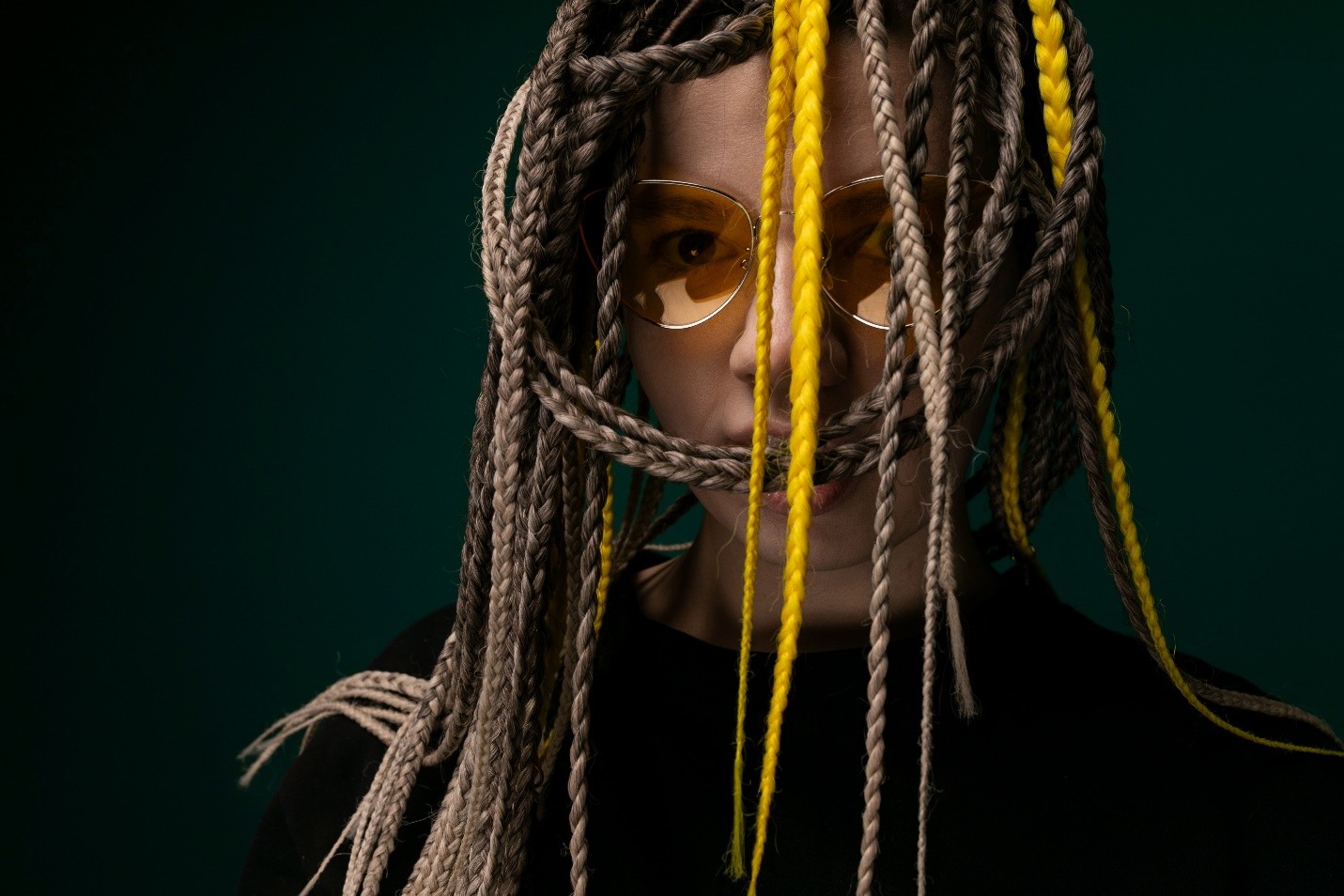
Looking ahead, the braid is poised to evolve further, not just in form, but in function and meaning. We are already witnessing a rise in experimental styles that draw from various cultures and fused into cohesive new designs. Chunky braids with tribal elements, minimalist micro braids with metal cuffs, and braided updos designed for formalwear are gaining popularity.
Moreover, the conversation around braids is becoming more nuanced. Cultural appropriation versus appreciation, proper credit to Black stylists, and reclaiming space for traditional techniques are part of the broader dialogue. As fashion cycles continue to spin, braids remain firmly rooted in authenticity, yet open to fresh interpretation.
The future of braids is not just about what they look like. It is about who creates them, how they are worn, and the stories they continue to tell. They are evolving, but they are not disappearing.
Conclusion
Braids have journeyed across continents, cultures, and centuries, always adapting, and never losing their significance. From ancient tribal rituals to fashion runways and viral videos, they continue to hold meaning, power, and beauty. They are a declaration of identity, a shield for hair health, and a lasting symbol of creativity and heritage.
Whether you wear yours long or short, tight or loose, adorned or simple, you are participating in something much larger than style. You are continuing a tradition that honors the past while shaping the future. Explore braid care products, styling tools, and accessories at Ella’s Hair And Beauty Supply, where legacy meets quality and every braid tells a story.